

Tanzania is ramping up investment in skills development, research and digital learning with a Sh2.4 trillion ($930 million) spending plan aimed at preparing the country for a technology-driven industrial economy and its long-term Vision 2050 agenda.
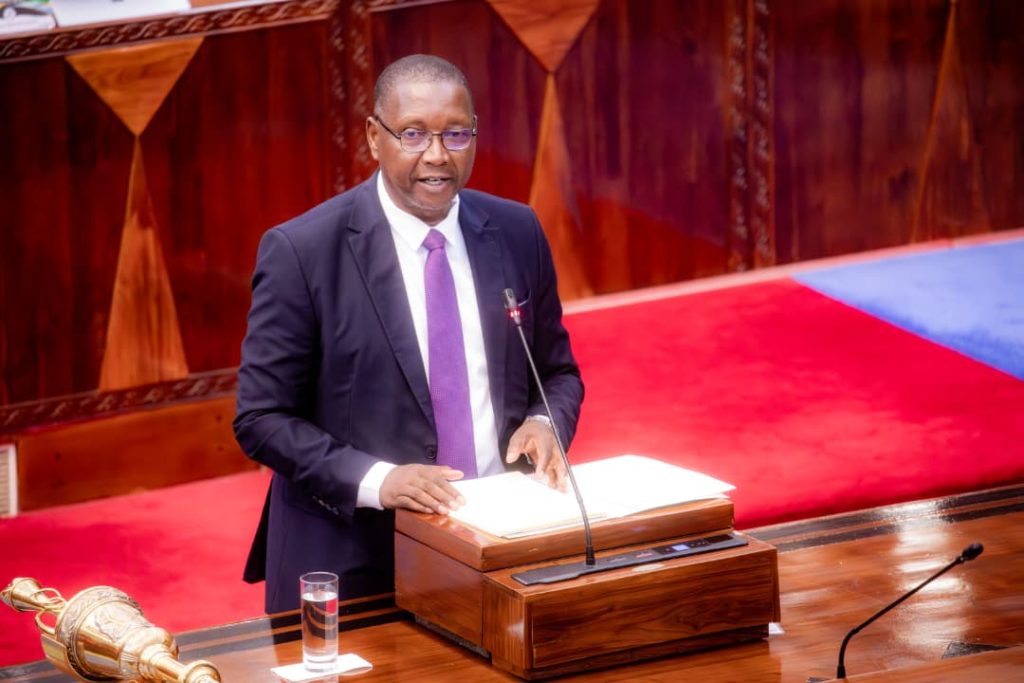
The 2026/27 education budget, tabled in Parliament by Education Minister Adolf Mkenda, marks one of the government’s most aggressive efforts yet to reposition human capital as a core driver of economic transformation. The strategy focuses heavily on vocational training, STEM education, artificial intelligence, and innovation commercialization.
The government plans to register 263 additional vocational and technical institutions while enrolling about 374,000 students into practical skills programmes targeting sectors such as manufacturing, ICT, logistics, mining and energy. Officials say the expansion is intended to narrow the gap between academic qualifications and labour market demand as Tanzania’s industrial economy expands.
University access is also being widened. Tanzania expects undergraduate admissions to rise to 180,000 students next fiscal year, while higher education loan beneficiaries are projected to increase to nearly 293,000 students from about 253,000 currently. The government will continue financing diploma students in science and technical fields to address shortages in critical industries.
A major part of the strategy centres on science and technology. Beneficiaries under the Samia Scholarship programme for top STEM students will increase, while overseas sponsorships in artificial intelligence, data science and interdisciplinary sciences are set to double.
Tanzania is also accelerating digitalisation of education through interactive electronic learning systems incorporating videos, virtual science simulations and real-time assessments. The reforms reflect a broader shift toward digitally enabled learning as policymakers attempt to align education systems with global technological trends.
Research and innovation funding is being expanded across sectors including agriculture, fisheries, water, climate change, health and industrial technology. Universities and technical institutions are expected to undertake 1,390 research projects while publishing nearly 2,500 academic papers in national and international journals.
The government also plans to strengthen commercialization of innovation through expansion of the Samia Innovation Commercialization Fund and establishment of innovation hubs at Folk Development Colleges, part of a broader push to connect research institutions more directly with industrial production and economic policy.
The education overhaul comes as Tanzania seeks to convert its fast-growing youth population into an economic advantage rather than a source of unemployment pressure. Policymakers increasingly view technical skills, industrial competencies and digital literacy as essential to sustaining growth in one of Africa’s fastest-expanding economies