
The government has increased the number of essential mental health medicines from 21 in 2021 to 36 in 2026 to improve treatment options and access to medication for people experiencing mental health challenges in Tanzania. Deputy Minister for Health, Dr Florence Samizi, announced this on October 19, 2026, while presenting the Ministry’s report on the...

Category: Health
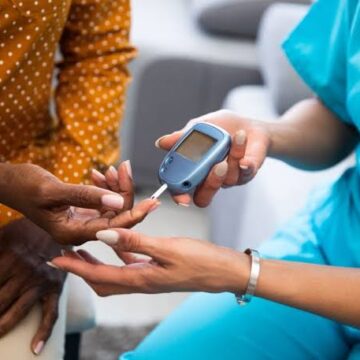
Report: 60.2% of People with Diabetes in Tanzania Remain Undiagnosed
Tanzania has been identified as one of the African countries with a high number of adults living with diabetes, with approximately 2.9 million people aged between 20 and 79 affected by the disease. According to a report by the International Diabetes Federation (IDF), published in 2025 and based on 2024 estimates, the prevalence of diabetes...
Mirembe invites Tanzanians seeking to quit alcohol
The Mirembe National Mental Health Institute has encouraged Tanzanians who wish to stop drinking alcohol voluntarily, including those who have not yet developed an addiction, to seek treatment at the facility. Acting Executive Director Dr Innocent Mwombeki made the remarks while receiving the medication imported into the country through the Medical Stores Department (MSD) and...
MSD imports first shipment of alcohol addiction treatment drug
The Medical Stores Department (MSD) has imported the first shipment of Naltrexone, a medication used in the treatment of alcohol addiction, in a move aimed at improving access to care for people struggling with alcohol dependence. The drug was procured through a partnership between MSD and the Mirembe National Mental Health Institute as part of...
Tanzania aims to become Africa’s cancer treatment hub
Vice President Deogratius Ndejembi has said Tanzania is positioning itself to become a centre of excellence for cancer treatment expertise and training in Sub-Saharan Africa. Speaking at the IAEA Scientific Forum in Vienna, Austria, he said Tanzania has made significant progress in cancer prevention, diagnosis and treatment through investments made by the government under the...
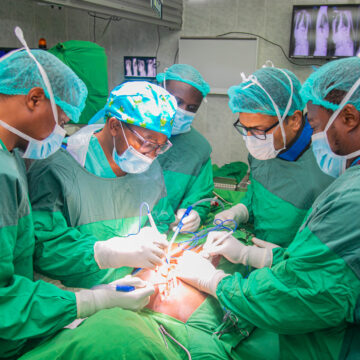
MOI treats 270 international patients in 2025/2026
During the 2025/2026 financial year, the Muhimbili Orthopaedic Institute (MOI) treated 270 patients from outside Tanzania. MOI Executive Director, Ambassador Dr. Mpoki Ulisubisya, said the patients came from Comoros, Mozambique, Malawi, Zambia, Rwanda, South Sudan, Uganda, Burundi, Kenya and the Democratic Republic of Congo (DRC).
Tanzania pioneers gene technology in bold new push to eliminate malaria.
Tanzanian scientists are increasingly turning to gene-based technologies in the fight against malaria, signalling a shift towards more advanced, home-grown solutions to one of the country’s most persistent public health challenges. The approach centres on what researchers describe as gene-drive technology—a method that allows specific genetic traits to spread rapidly through mosquito populations. The goal...
Tanzania Shines Globally: Health Sector Transformation Under President Samia Gains International Recognition
By Gulatone Masiga Tanzania has marked a major milestone by hosting the second international conference of the World Federation of Neurosurgical Societies (WFNS) at the Julius Nyerere International Convention Centre in Dar es Salaam. This is more than just an event—it reflects growing global confidence in Tanzania’s healthcare capacity, direction, and achievements. Beyond the conference,...
10 Signs Your Body Is Struggling with Chronic Stress.
Your body often sends quiet signals when it’s overwhelmed—but many people ignore them until it’s too late. Here are key warning signs that your body may be under chronic stress: Waking up frequently between 2–4 a.m., even when you’re tired, could be your nervous system stuck in overdrive. Constant fatigue, even after a full night’s...
Tanzania Moves to Strengthen Healthcare Services Across the Country.
Tanzania has introduced broader strategies aimed at strengthening healthcare services across the country, with a focus on improving access, efficiency, and overall service delivery. The government is prioritizing system-wide improvements to ensure that quality healthcare reaches more citizens, especially in underserved areas. A key part of the strategy involves enhancing the capacity of healthcare workers...