

By Gulatone Masiga
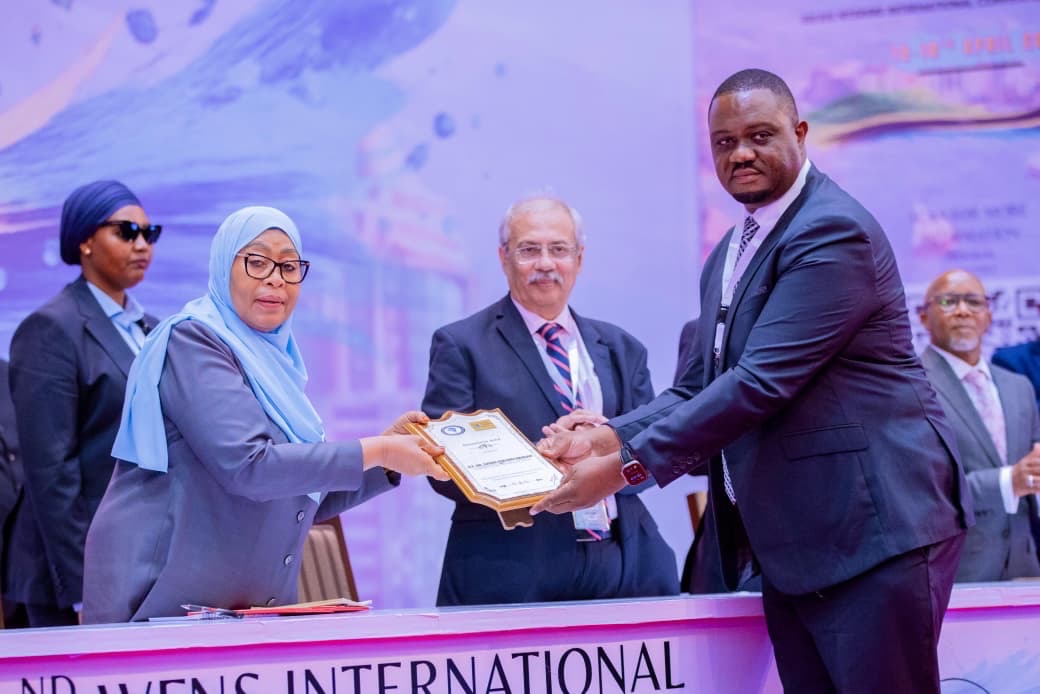
Tanzania has marked a major milestone by hosting the second international conference of the World Federation of Neurosurgical Societies (WFNS) at the Julius Nyerere International Convention Centre in Dar es Salaam. This is more than just an event—it reflects growing global confidence in Tanzania’s healthcare capacity, direction, and achievements.
Beyond the conference, the development signals Tanzania’s emergence as a regional hub for specialized and super-specialized healthcare services. This progress is the result of strategic decisions, major investments, and strong leadership under President Samia Suluhu Hassan.
Historic Health Sector Transformation
Over the past five years, Tanzania has recorded significant progress now recognized internationally. The number of hospitals offering neurosurgery services has increased from two in 2021 to seven in 2025—bringing lifesaving services closer to citizens who previously had to travel abroad.
The number of specialist doctors has also risen sharply, from 12 to 37 as of March 2026, strengthening the country’s human resource capacity.
Investment in medical equipment has transformed service delivery, with MRI machines increasing from 7 to 13, CT scans from 13 to 45, Digital X-rays from 147 to 559, and ultrasound machines from 476 to 970. Oxygen plants have also expanded, improving critical care capacity nationwide.
These advancements place Tanzania among a few African countries capable of performing complex brain and neurological surgeries.
Tanzania Emerging as a Medical Tourism Hub
The impact of these investments is evident in the growing number of international patients seeking treatment in Tanzania. Patient numbers have more than doubled—from 5,705 in 2021 to 12,180 in 2025.
Patients are arriving from countries including Comoros, Malawi, Burundi, Zambia, the Democratic Republic of Congo, Uganda, Zimbabwe, and Kenya. Tanzania is no longer just serving its own citizens—it is contributing to healthcare across the continent.
Economic Benefits: Healthcare as a Growth Driver
The expansion of specialized healthcare is also generating economic value. Medical tourism is becoming an important source of foreign exchange, with patients contributing to sectors such as hospitality, transport, and local businesses.
At the same time, improved local services are reducing the need for overseas treatment, saving costs and keeping resources within the country.
Health Diplomacy and Global Influence
Hosting a major international conference like WFNS highlights Tanzania’s growing influence in global health diplomacy. The country is positioning itself as a key partner in healthcare across Africa and beyond.
These engagements foster knowledge exchange, technology transfer, and investment opportunities, strengthening Tanzania’s standing on the global stage.
Leadership and Vision
These achievements reflect the leadership of President Samia Suluhu Hassan, whose commitment to strengthening social services—particularly healthcare—has delivered tangible results. Her recognition with a Special Humanitarian Award from WFNS further validates these efforts internationally.
Politically, these gains reinforce public confidence and demonstrate how investment in social sectors directly improves lives, while laying a strong foundation for sustainable development.
A New Tanzania in Progress
Tanzania’s progress in healthcare is part of a broader national transformation driven by vision, investment, and leadership. Hosting the WFNS conference is symbolic—but the real success lies in saved lives, restored hope, and a growing economy.
Under President Samia Suluhu Hassan, Tanzania continues to prove that it can lead transformation—not only in Africa, but globally. The health sector stands as a clear example of that progress, with even greater strides ahead.