

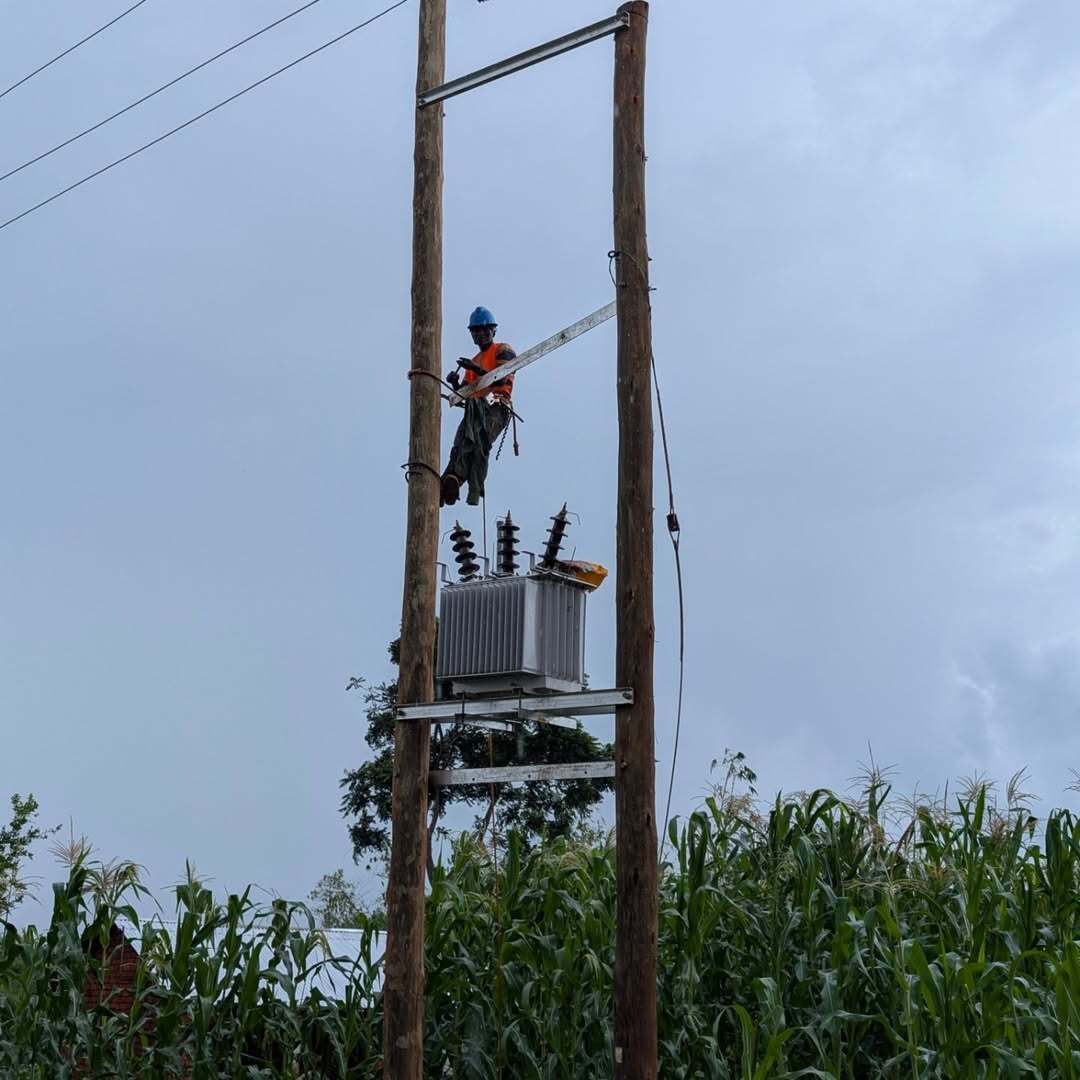
Access to electricity in rural Tanzania is reshaping agriculture, helping farmers move beyond subsistence production towards more commercial and productive activities. Across farming communities, reliable power is enabling food processing, improving irrigation, reducing post-harvest losses and expanding access to digital financial services.
For many farmers, one of the most immediate changes has been the ability to process agricultural produce locally. In areas such as Makete and Njombe, the arrival of electricity has powered grain milling machines, significantly lowering costs and saving time.
Farmers say the price of milling maize has fallen sharply, increasing profitability and improving household incomes. Electricity has also supported the development of industries that process cashew nuts, sunflower oil and fish feed, while encouraging broader manufacturing activities linked to agriculture, including textile production from locally grown cotton.
Electricity is also changing how farmers manage water. With access to power, many are now able to use electric pumps to irrigate their crops rather than relying solely on rainfall. This has been particularly important for crops such as rice and maize, which require consistent water supply.
Farmers say electric irrigation systems are cheaper and more reliable than diesel-powered alternatives, helping to improve yields while reducing production costs. Large irrigation schemes designed to boost food security also depend heavily on a stable power supply.
Another significant impact has been in the storage and preservation of agricultural products. Access to refrigeration and cold storage allows farmers and traders to preserve perishable goods such as fish, vegetables and fruits.
This helps reduce post-harvest losses, which have historically been high in rural areas, and enables farmers to sell higher-quality products to the market. Electricity has also improved livestock health by allowing rural veterinary facilities to store vaccines safely.
Beyond production and storage, electricity is helping connect rural farmers to financial services and market information. With reliable power, mobile phones can be charged regularly, enabling farmers to use mobile money platforms to pay for agricultural inputs, receive payments and access digital loans. Internet access also allows farmers to monitor market prices and reach new buyers, strengthening their bargaining power.
The expansion of electricity has also contributed to wider economic activity in rural communities. Small businesses such as shops and service centres have emerged, providing additional income opportunities and supporting local economies. Reliable power has also attracted investment in large-scale farming projects and agricultural processing facilities, which depend on stable energy supply for operations.
As electricity continues to reach more rural areas, its impact on agriculture is expected to grow. Analysts say improved access to power is playing a key role in modernising the sector, strengthening food security and supporting economic development across Tanzania.