

As Tanzania moves into 2026, the nation’s economic narrative is shifting from post-pandemic recovery to a phase of aggressive expansion and structural resilience. Powered by a record-breaking surge in foreign direct investment (FDI) and a stabilized monetary framework, the country is positioning itself as a primary logistics and commercial hub for East Africa.
Based on the latest data from the Bank of Tanzania (BoT) and the Tanzania Investment Centre (TIC), here is an analysis of the key drivers shaping the economy this year.
1. The Investment Boom: Breaking Records
The year 2024 set a new benchmark for Tanzania’s investment climate, a momentum that has carried heavily into 2025. According to the TIC Quarterly Investment Bulletin (January–March 2025), 2024 was a “landmark year” that recorded an unprecedented number of registered projects.
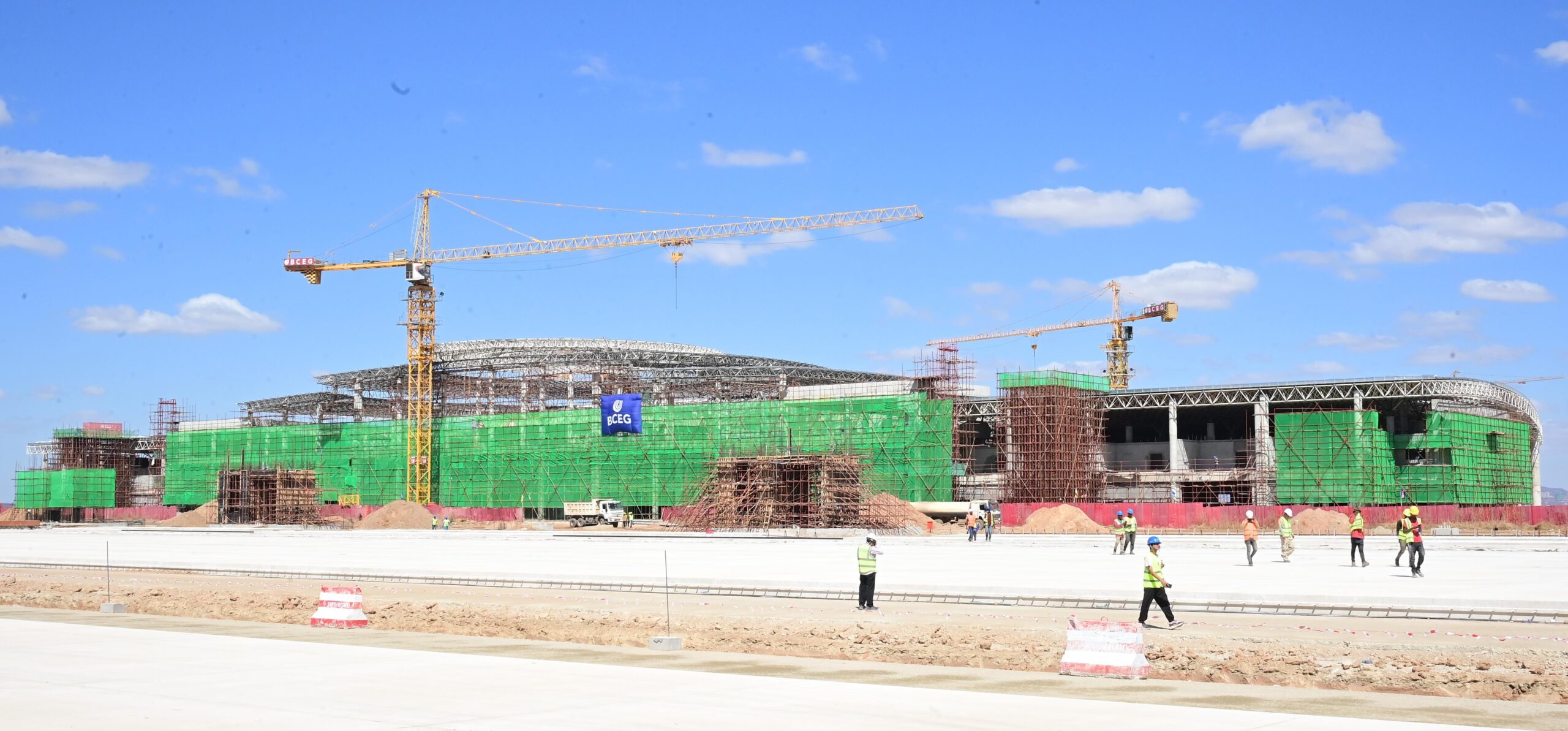
• Strategic Projects: A prime example of this new wave of high-value investment is the East Africa Commercial & Logistics Center (EACLC) in Ubungo, Dar es Salaam. With an investment exceeding $200 million, this flagship project spans 75,000 square meters and is scheduled to become fully operational in 2025. It is designed to revolutionize trade by acting as a “root in Tanzania” for cross-border commerce with Asia.
• Sector Focus: The investment drive has moved beyond traditional sectors, with significant capital flowing into healthcare infrastructure, such as the completion of a $45 million state-of-the-art hospital facility in late 2023, creating thousands of jobs.
2. Economic Stability: Taming Inflation
Despite global economic volatility, Tanzania has maintained a commendable grip on macroeconomic stability. Data from the Bank of Tanzania’s Monthly Economic Reviews (2025) highlights a controlled inflation environment, though challenges remain in specific baskets.
• Inflation Dynamics: Headline inflation has remained relatively stable, hovering around the country’s medium-term targets. However, specific pressure points were observed early in the year; for instance, energy, fuel, and utilities inflation rose to 7.9% in March 2025, driven largely by global prices of petroleum products.
• Monetary Policy: The central bank has successfully navigated these pressures through a modernized interest rate-based monetary policy framework, ensuring that liquidity remains adequate to support private sector credit without stoking demand-pull inflation.
3. Financial Strength: A Profitable Central Bank
The financial health of the country’s regulator reflects the broader stability of the financial system. The Bank of Tanzania Annual Report for the year ending June 30, 2025, reveals a robust financial performance.
• Record Profits: The Bank reported a profit for the year of TZS 510.3 billion for the 2024/25 fiscal year.
• Government Dividends: This profitability has translated into direct fiscal support, with the Bank paying a dividend of TZS 320 billion to the government in 2025, up from TZS 300 billion the previous year. This fiscal space allows the government to continue funding its ambitious infrastructure rollout without excessive borrowing.
4. Strategic Sectors: Mining and Tourism
Two traditional engines of growth—mining and tourism—are experiencing a renaissance driven by improved policy environments.
• Mining Boom: Updates from July 2025 indicate a “mining boom” attributed to improved policies and a favorable business environment. This resurgence is critical for foreign exchange earnings and regional development.
• Tourism Recovery: The sector continues to reap the benefits of the “Royal Tour” initiative. By early 2025, the sector had solidified its recovery, with increased arrivals and international recognition of Tanzania as a premier destination.
Conclusion: The Vision 2050 Trajectory
As President Samia Suluhu Hassan opens the 13th Parliament, the tone is one of consolidation and future-proofing. With the commercialization of the SGR railway, the operationalization of the Nyerere Hydropower Project, and now the rise of massive logistics centers like the EACLC, Tanzania is effectively building the hardware for Vision 2050.
The challenge for the remainder of 2025 will be to ensure that these macro-level successes—record FDI, BoT profits, and infrastructure projects—trickle down effectively to the agricultural base where the majority of citizens are employed.