

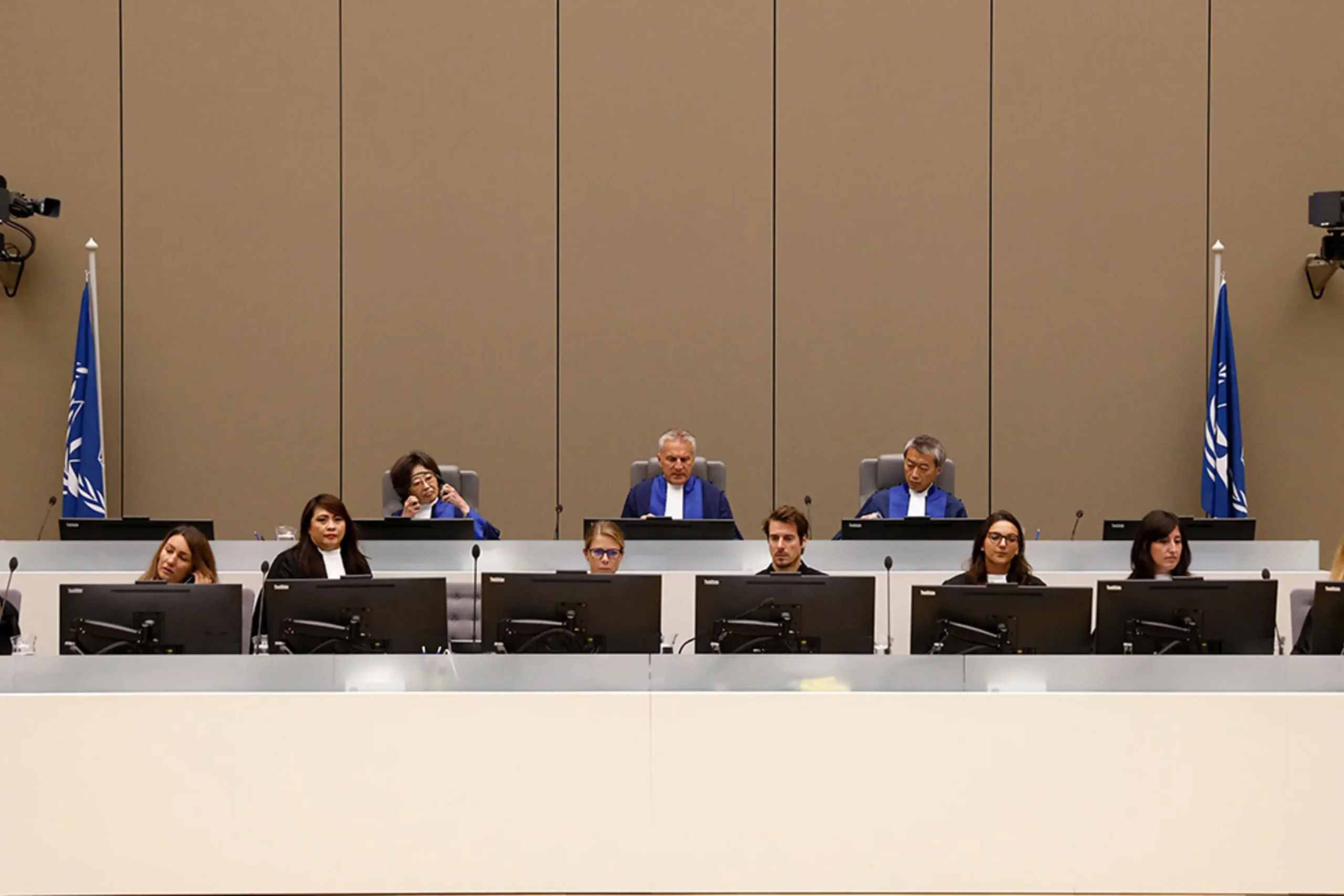
Tanzania may soon review its membership in the Rome Statute, the treaty that established the International Criminal Court (ICC). This follows renewed international pressure from groups such as the World Jurists Association and the Madrid Bar Association, who have urged the court in The Hague to investigate alleged killings, kidnappings, and attacks on opposition supporters during the post-election protests of October.
In response, President Samia Suluhu Hassan has formed a national commission to investigate the incidents, including verifying the number of victims. She described the violence as “deeply shocking” for a country long known for peace and stability. The President also claimed that many of the youths who participated in the unrest were paid to do so. “We are told that the young people who went to the streets to demand their rights were first paid money. Where did this money come from?” she asked, urging calm ahead of the upcoming Independence Day on December 9, 2025.
Across Tanzania and Africa, many now question the ICC’s neutrality, arguing that it has become a political instrument of Western influence. Though the court was established in 2002 to prosecute crimes like genocide and war crimes without bias, the majority of its cases have targeted Africans. Out of more than fifty prosecutions, nearly all involve African leaders or rebel commanders. Meanwhile, figures from powerful nations such as the United States or China—neither of which are ICC members—have never faced charges, even when accused of serious violations.
This perceived imbalance has led African governments to consider regional alternatives. In 2014, the African Union proposed creating an African Court to handle serious crimes on the continent. Two years later, it urged all member states to withdraw from the ICC. Only Burundi followed through in 2017, after an investigation was launched into its leaders. South Africa and Gambia expressed similar intentions, though neither withdrawal materialized.
More recently, Mali, Burkina Faso, and Niger launched the Sahel International Court in September 2025 to prosecute war crimes, terrorism, and human rights abuses within their region—an initiative widely viewed as a step toward African-led justice free from external interference.
For Tanzania, the ICC’s renewed attention is seen as a threat to national sovereignty. A formal investigation could result in arrest warrants for senior officials, deepening domestic tensions. Many citizens view this as unfair, particularly when powerful states remain untouched by similar scrutiny.
As the inquiry into the October unrest continues, Tanzania faces a defining choice: remain under an international justice system that many believe is biased, or join the growing African movement for regional courts rooted in equality, independence, and continental values.