

DAR ES SALAAM — Four years into her presidency, Samia Suluhu Hassan has overseen a distinctive shift in Tanzania’s economic trajectory. Moving away from the isolationist policies of the past, her administration has pivoted toward a dual strategy of aggressive infrastructure completion and market-friendly reforms—a gamble that appears to be paying off according to new central bank data.
Despite global headwinds, Tanzania’s economy accelerated to a 5.4% growth rate in the first half of 2024, up from 4.8% the previous year. This resilience is underpinned by a stable macroeconomic environment and a banking sector that is posting record-breaking figures.
A Central Bank Windfall
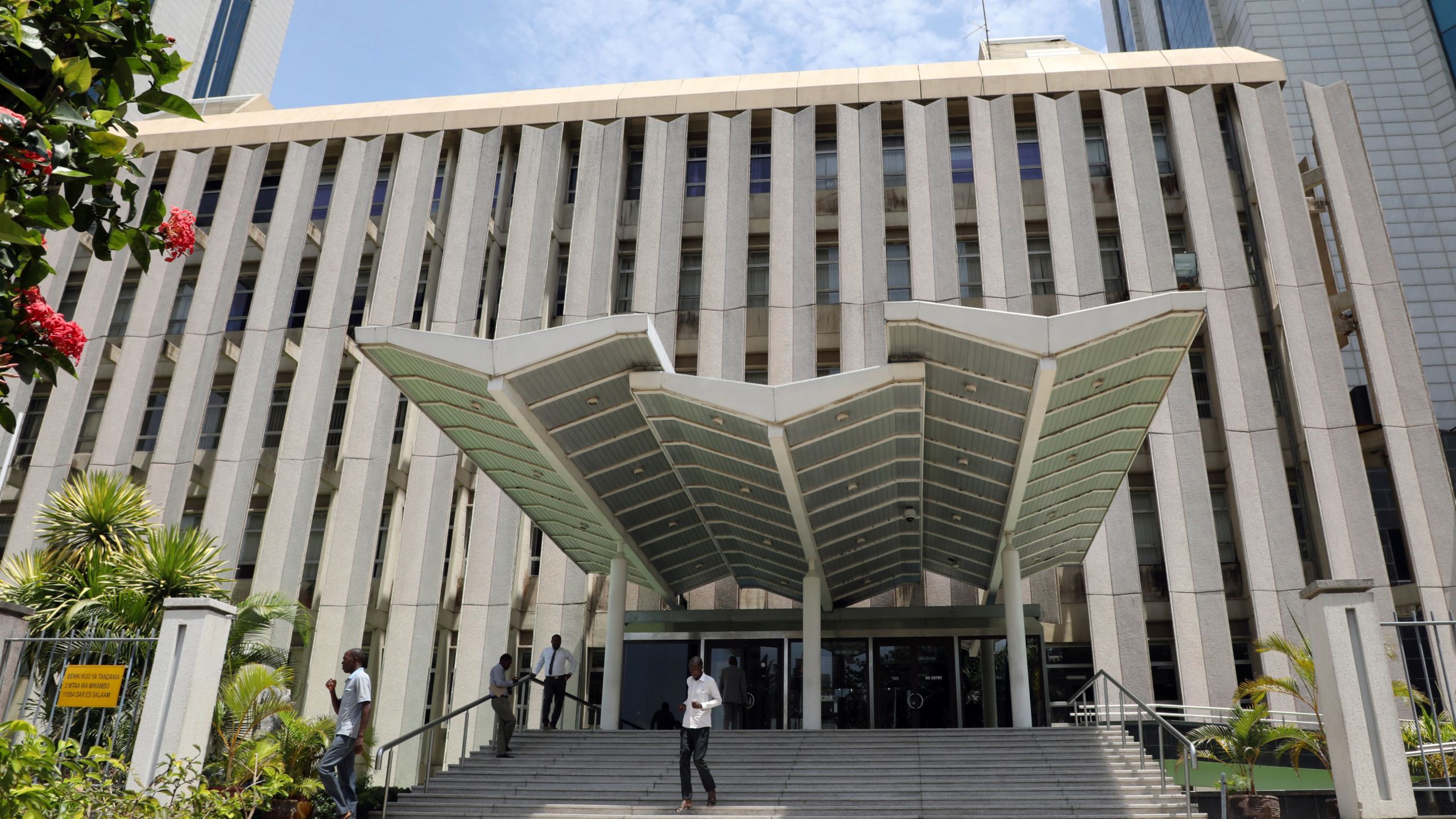
Newly released financial statements from the Bank of Tanzania (BoT) reveal a dramatic surge in profitability, providing the government with crucial fiscal space.
For the financial year ending June 30, 2024, the BoT reported a net profit of TZS 1.03 trillion ($380 million), a staggering increase from the TZS 60.4 billion recorded in 2023. This financial turnaround has allowed for a significant dividend payout to the government, with TZS 300 billion earmarked for the exchequer in 2024, compared to zero in the previous financial year.
Analysts attribute this performance to improved foreign asset management and the successful implementation of a new monetary policy framework. In January 2024, the central bank transitioned from targeting reserve money to an interest rate-based framework, using the Central Bank Rate (CBR) to signal policy stance. The move has successfully anchored inflation expectations, with headline inflation remaining stable at around 3.0% to 3.1% throughout early 2025.
The Infrastructure Dividend
The administration’s “Samia 4Rs” philosophy—Reform, Resilience, Reconciliation, and Rebuilding, has found its physical manifestation in the completion of mega-projects that had dragged on for years.
The energy sector, long a bottleneck for industrialization, recorded a 14.4% growth in electricity supply in 2024. This surge is largely due to the Julius Nyerere Hydropower Project (JNHPP), which has allowed the government to retire expensive diesel-powered plants and end chronic power rationing.
Simultaneously, the transport sector is witnessing a “rail renaissance”. The operationalization of the Standard Gauge Railway (SGR) has begun to reshape logistics in East Africa, complementing a $421 million upgrade of the Dar es Salaam port designed to position Tanzania as the primary trade gateway for landlocked neighbors like the DRC and Zambia.
Investment and Tourism Surge
Investor confidence, rattled in previous years, shows signs of strong recovery. The Tanzania Investment Centre (TIC) reported a record-breaking performance, registering projects worth over $9.3 billion in 2024 alone.
“We are seeing a fundamental shift in how Tanzania engages with capital,” notes an investment bulletin from the TIC.
Tourism has also rebounded sharply, aided by the “Royal Tour” documentary featuring President Samia. The sector, a critical source of foreign exchange, has seen visitor numbers swell, supporting a service sector that grew by over 6% in the first quarter of 2025.
Challenges Ahead
Despite the bullish indicators, challenges remain. The government is currently drafting National Vision 2050, a long-term plan aimed at cementing these gains. Key hurdles include ensuring that macroeconomic growth translates into poverty reduction for the agrarian majority and managing the rising costs of servicing external debt.
However, with a well-capitalized central bank—BoT’s total equity rose to TZS 2.36 trillion in 2024—and a diversified energy mix, Tanzania enters the 2025 fiscal year with a stronger hand than many of its regional peers.