

Tanzania’s “4Rs” policy framework—reconciliation, resilience, reforms and rebuilding—is increasingly being used as a benchmark to assess political and governance changes introduced since 2021.
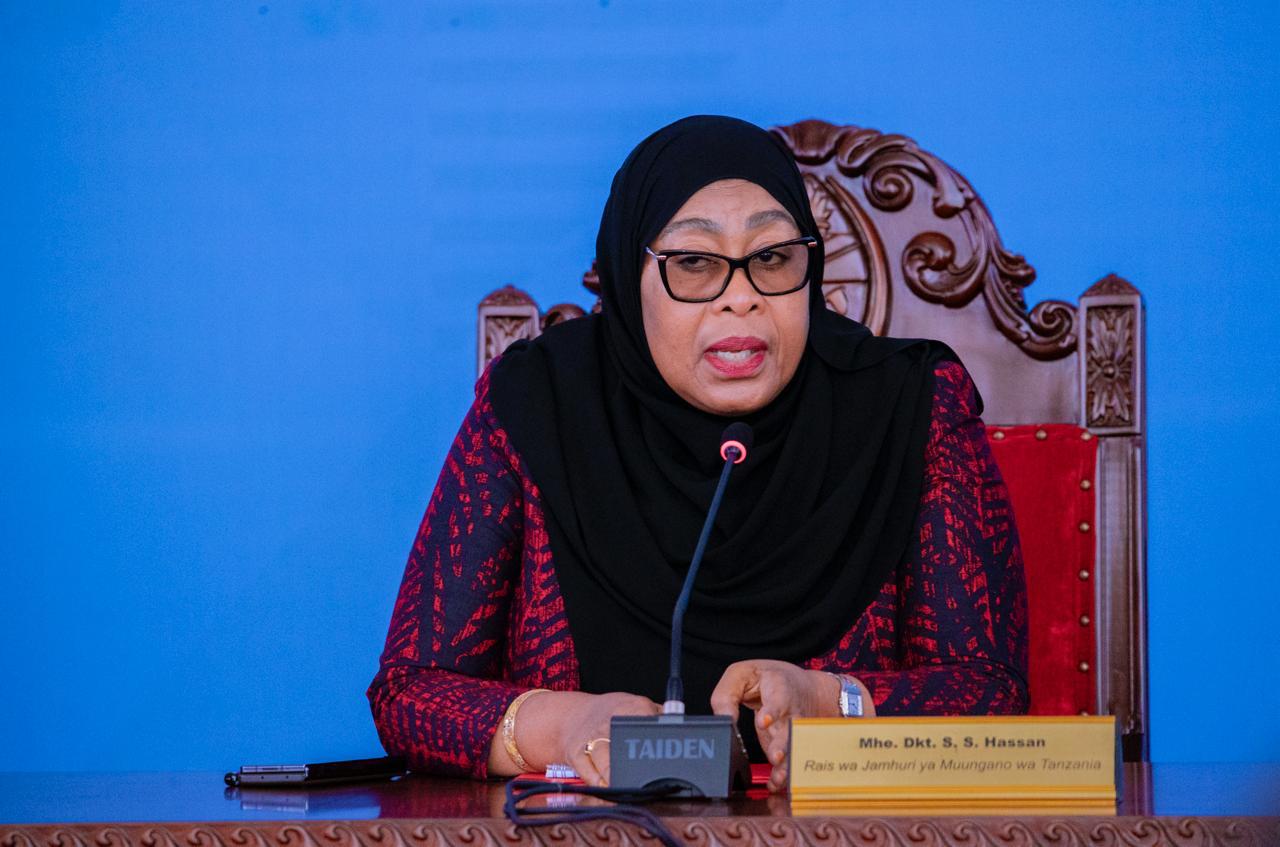
Since taking office, President Samia Suluhu Hassan has positioned the 4Rs as the foundation of her administration, aimed at restoring trust, strengthening institutions, and promoting national unity.
On reconciliation, the government has pursued dialogue with political actors and stakeholders, alongside initiatives such as commissions of inquiry and public consultations. These efforts are intended to ease tensions and rebuild confidence after periods of political strain.
The second pillar, resilience, focuses on maintaining stability in the face of economic and political pressures. Officials argue that strong institutions and social cohesion are essential to absorb shocks and sustain long-term development.
Under reforms, Tanzania has introduced a range of changes targeting governance, electoral systems, and the broader business environment. Authorities say these reforms are designed to improve transparency, enhance accountability, and create a more inclusive political and economic system.
The final pillar, rebuilding, centres on restoring public trust and strengthening long-term stability. This includes efforts to expand opportunities, improve service delivery, and reinforce confidence in state institutions following political tensions.
Supporters of the approach say the 4Rs framework provides a structured path toward national cohesion and development, encouraging dialogue over confrontation. However, analysts note that the success of the agenda will depend on consistent implementation and the ability to translate policy commitments into measurable outcomes.