

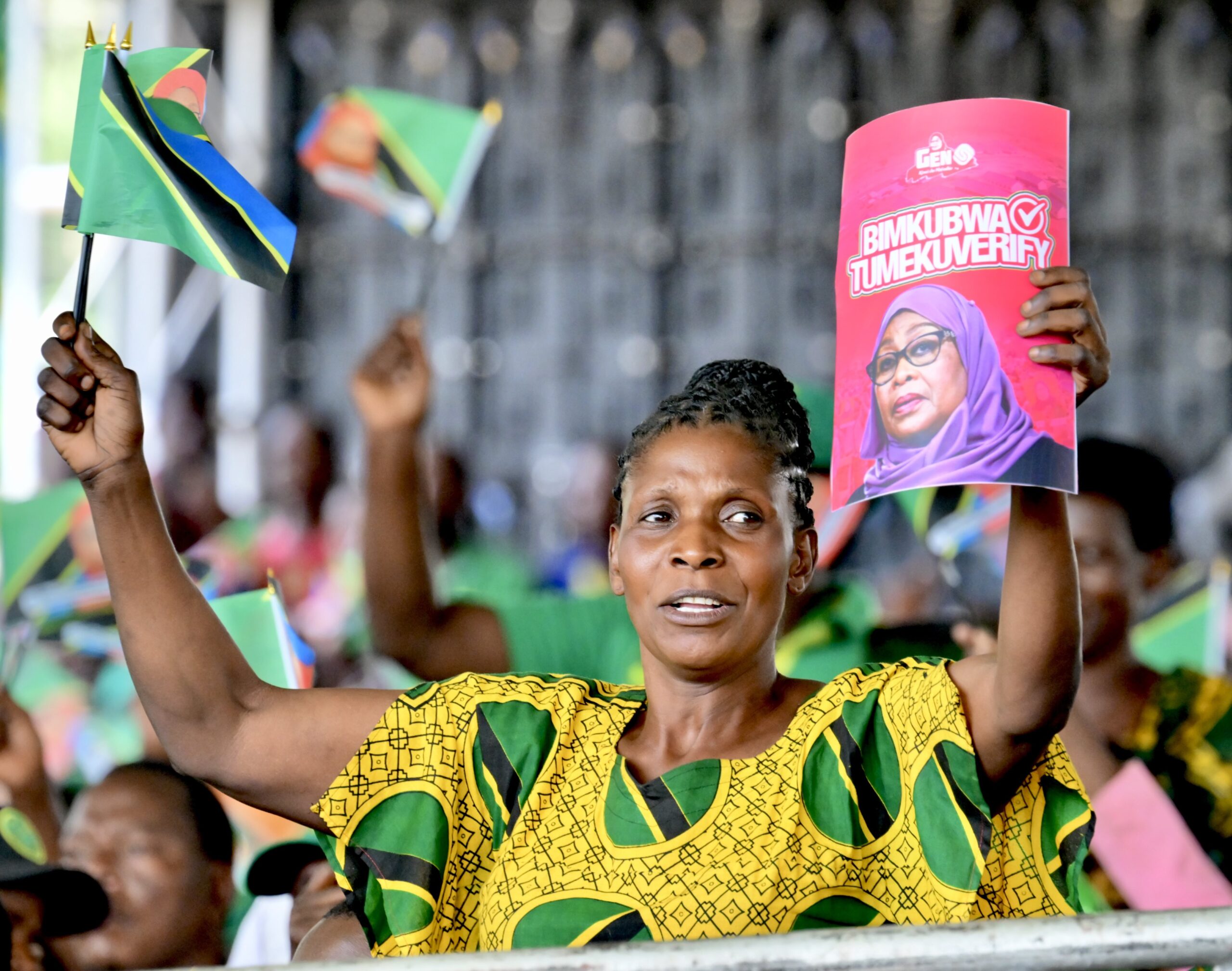
DAR ES SALAAM — Tanzania has continued to expand its infrastructure and energy capacity under President Samia Suluhu Hassan, with the government highlighting progress in electricity generation, railway development, and investment growth since she assumed office in March 2021.
Official data indicates that national electricity generation capacity has increased significantly, rising from about 1,601 megawatts in 2020 to more than 4,000 megawatts by 2025. The increase has largely been driven by the Julius Nyerere Hydropower Project, one of East Africa’s largest energy developments.
Authorities say the project has reduced power shortages and supported industrial growth, although some analysts note concerns about environmental impact and long-term sustainability.
Transport infrastructure has also been a major focus. The Standard Gauge Railway connecting Dar es Salaam and Dodoma has reduced travel time between the cities and is expected to improve cargo transport. Expansion toward western Tanzania and regional connections is ongoing.
The government has also prioritized rehabilitation of the TAZARA railway and modernization of the Port of Dar es Salaam, aiming to position Tanzania as a regional trade hub.
Economic indicators suggest moderate growth despite global economic pressures, with increased investment registrations reported in manufacturing, energy and services. International rating agencies have maintained a stable outlook on the country’s economy.
President Samia’s governance approach, known as the “4Rs” — reconciliation, resilience, reforms and rebuilding — has included political dialogue and policy reforms intended to strengthen economic stability.
The government says ongoing projects will support long-term industrialization under the planned Vision 2050 framework, though analysts note that implementation and fiscal sustainability will remain key challenges.