

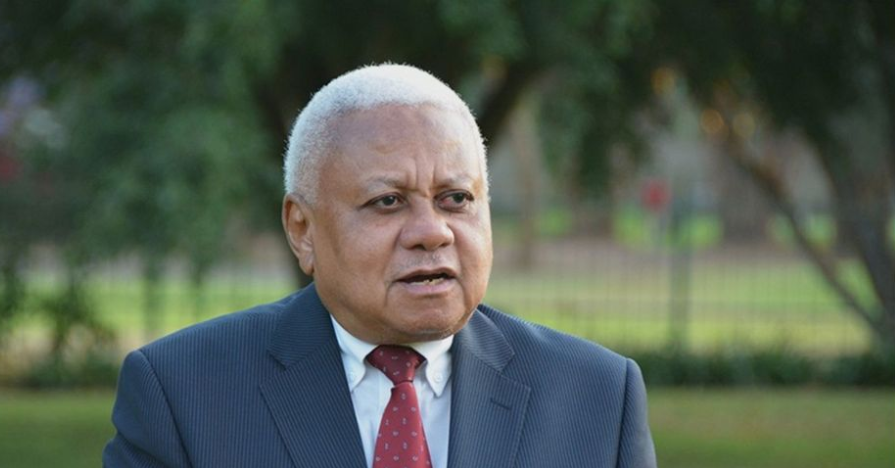
A commission investigating violence linked to Tanzania’s October 29 elections is expected to submit its final report to President Samia Suluhu Hassan on April 23, 2026.
The inquiry, led by retired Chief Justice Chande Othman, says it is in the final stages of compiling and translating its findings into English ahead of submission.
The commission was formed in November to examine protests and unrest before and after the vote, which led to deaths and property damage.
Officials say the investigation gathered evidence from more than 63,000 people across 11 regions and 21 districts. This included over 550 sworn written statements, more than 1,300 in-person testimonies and nearly 4,900 anonymous questionnaire responses. Tens of thousands of additional submissions were received via SMS, alongside input from more than 3,500 experts.
Justice Chande said the commission’s role has been to establish facts rather than assign blame. “Our task is to determine what happened, how it happened, and its impact,” he said.
The inquiry also analysed forensic, economic and psychological aspects of the violence, with contributions from specialists including pathologists, ballistics experts and economists. Digital and geospatial analysts were used to verify video and satellite evidence.
More than 320 related cases, including alleged arson and theft, have been reported to police and remain under investigation by law enforcement authorities.
The commission says it used anonymous submissions to allow individuals to share experiences without fear of identification. Only a small number of witnesses requested formal protection.
The final report will outline findings and recommendations on the causes and consequences of the unrest. It will be produced in both Swahili and English, reflecting what officials describe as its national and international significance.
After submission, the president will decide on the next steps, including whether and how to implement the recommendations. The commission has also indicated that it expects the report to be made public in the interest of transparency.