

Tanzania is intensifying efforts to expand value addition in critical minerals, positioning the sector as a key driver of industrial growth and export earnings.
Officials say the strategy aims to shift the country away from exporting raw minerals toward local processing, refining, and manufacturing, allowing Tanzania to capture more value from its natural resources.
The push is anchored in a broader national plan that identifies critical minerals such as graphite, nickel, rare earth elements, and copper as central to future growth—particularly as global demand rises for materials used in electric vehicles and renewable energy technologies.
Studies suggest that moving up the value chain could unlock up to $11.7 billion annually through downstream industries such as gold refining, battery materials, cement, and fertiliser production.
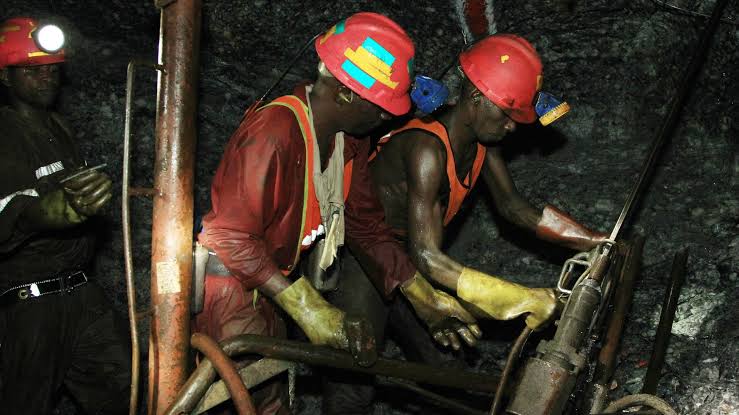
Mining already contributes about 10% of Tanzania’s GDP and supports millions of jobs, but analysts say most minerals are still exported in raw form, limiting economic returns.
The government is now focusing on policies and investments that promote beneficiation, including incentives for local processing and stronger links between mining and manufacturing sectors.
Officials argue that developing domestic processing capacity will not only increase revenue but also create jobs, transfer technology, and position Tanzania as a regional hub for mineral-based industries.
The strategy aligns with long-term development goals, including Vision 2050, where value addition in natural resources is expected to play a central role in transforming the economy.